

Fireplaces Wood Burning Stoves
Wood stoves are stylish and contemporary, and they complement a variety of home styles. They're a great source of heat and radiate warmth throughout the entire space.
Modern wood burning stoves have been EPA certified for their high heating efficiency and reduced particle emissions. By correctly controlling the air vents, you can increase the efficiency of your stove.
Energy Efficiency
Wood stoves are a energy-efficient source of heat and can be a great addition to the heating system in your home. Some models are just as efficient as furnaces or oil-burning appliances. Modern stoves are engineered to extract the most heat out of each piece of wood burned. This means that you don't have to purchase more wood, and you can have a warm fire all winter long.
Stoves that are EPA-certified are extremely clean and reduce emissions and waste by keeping the fire burning for longer and using less fuel. This is in contrast to older fireplaces that rely on open flames and combustion, which create waste of fuel, pollute air and cause dust to enter your home.
The EPA certification of your wood stove ensures that it complies with the highest standards for safety and efficiency. It also allows you to claim a tax credit for the purchase of a stove that meets the EPA standards which can help you save money while decreasing your energy costs.
Wood stoves can help you avoid the high prices of gas and electricity charged by big energy companies. Although you'll need to pay for wood however, the price fluctuations will be less than what you would face if you were to rely on a utility company.
A wood stove can also be used to provide warmth to your home in the event of power outages. It is possible to keep your home warm when the power goes off during a snowstorm by using a wood stove to warm your living and kitchen areas. In some cases, the chimney on the stove can be used to release hot water through the wall to a hot-water tank in your home for additional heat.
If your wood-burning fireplace isn't insulated, you could lose heat and create drafts. It is possible to solve this issue by adding an insulation-proof wood stove liner to your fireplace. This will not only save you energy, but also increase the life of your stove since it stops heat from going through the chimney.
Cleanliness
Wood stoves are an excellent way to save energy and stay warm, but they also produce a lot of soot. Cleaning your stove is crucial to ensure that your home stays safe and healthy. Clean your stove at least once a week, and your chimney every year. Cleaning your stove will ensure that it has adequate air flow and is safer to use.
The first step in cleaning your stove is to empty the ash pan. This is done by dumping the ashes into a dish and discarding them in an uncombustible trash bag or bin. If your fireplace has grate or andirons they can be cleaned with a brush and broom and then dispose of them the same way. Then you can use a soft cloth to wipe down the stove's front and any other surfaces that you'd like to wash. You can also use the occasion to clean your ash trays, or re-line with new liners that are available at your local hardware store.
After cleaning your stove, you'll need to remove any creosote that remains on the walls of your fireplace. This is best done with a hard-bristled broom, starting as high up as you can and working downwards. If you own a vacuum cleaner with a hard-bristled attachment you can use it to remove any loose soot.
If you are able to, also remove any obstructions from your chimney. This could include twigs branches, leaves, fruit or even the nesting materials of small animals (which are known to nest in stove pipes and chimneys!). Your chimney may be susceptible to wind-blown substances like leaves or sand, based on the location you live in.
stoves wood burners Fireplaces And Stove is also recommended that you inspect your chimney at least once a year and to replace your catalytic filter every four to five years, as well as having your chimney professionally cleaned if needed. These routine tasks can help prevent the spread of dangerous gasses like carbon monoxide from entering your home.
Convenience
A wood-burning stove offers warmth and a warm atmosphere that gas or electric fireplaces cannot beat. Whether free standing or installed into the wall, there are many styles and designs to suit your home. There's nothing better than sitting in front of a roaring fire on a chilly southeast NY winter night.
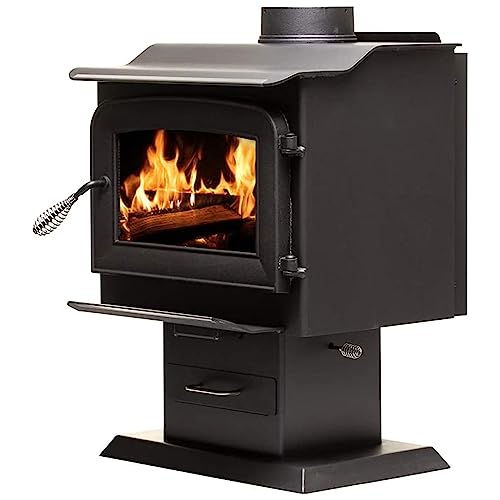
Having a wood stove can help reduce your energy costs. It's also a good option for those who live in a smoke control zone (most of London and a lot of major cities are).
Stoves are a great option to heat your home. They can be used either as a primary source for heating or for supplementary heating. The amount of heat that they generate is contingent on the size and the airflow of the room. If you plan to use your stove to heat your home, it is important to consider the quality and type of logs you buy.
Locally-sourced wood can help you lower your costs while reducing the carbon footprint of your stove. Splitting, stacking, and hauling logs can be an exhausting and physically demanding task if you don't have the appropriate equipment. This is the reason why a lot of people choose to have a log burner in their homes as a practical alternative to collecting and chopping wood for heating needs.
The majority of modern wood stoves are designed to be more efficient and eco-friendly alternative to traditional open fires. This means they must to meet the requirements of the government on emissions and have catalytic combustor, which helps to keep the wood burning longer, starts combustion at a lower temperature and cuts down on pollutant emissions.
You'll still need to maintain your stove regularly. This includes emptying ash from the bottom of the stove, having the flue and chimney checked as well as cleaning the glass door and ensuring there are enough dry logs to fuel it. However, these maintenance requirements are much less than what you need to pay for energy to run your heating system.
One of the biggest downsides when you have a wood stove is that it presents the risk of injury to children and pets who may be too close to the flames. If they touch the flame or the glass door of your stove, they could be burned by a stray ember. If you have pets or children we strongly recommend putting up a safety gate for your fireplace and keeping them away from the fire.
Aesthetics
Fireplaces with wood burning stoves provide an exquisite ambience to the room. When adorned with an elegant mantle and gorgeous tiling, they become the central feature of a living space. A masonry fire place built with bricks, stacked stones and veneer can look amazing. Freestanding stoves are an alternative for homeowners looking to discover a style and a price that suits their home.
Clean the chimney regularly to get rid of any dust. These particulates can re-ignite and cause fires to be dangerous. They also can block the chimney, which is dangerous and can lead to carbon monoxide poisoning. Additionally, the regular use of fireplaces requires an ongoing supply of wood. This can be time-consuming and expensive to maintain.
Stoves don't have to be cleaned or swept as often as fireplaces. This saves the homeowner both time and money, as well as getting rid of the necessity of a fireplace liner. In addition, stoves don't produce the same carbon monoxide poisoning as fireplaces do. They only release a small amount of carbon monoxide, which is pushed into the air by hot gases when the fire burns.
A wood stove has a closed combustion chamber, which means sparks are not as much of a danger to children and pets as fireplaces are. It is still recommended that fireplaces and wood stoves have screens or doors in place, since sparks may still fly from the fire and cause injuries and property damage. Stoves should be kept at a certain distance from any combustible materials, such as plasterboard and wallpaper.
The EPA has set emission standards that limit the amount of pollutants that a new stove is permitted to produce per hour. The EPA also requires that chimneys be swept at least once each year to ensure they are in good working order and do not have any cracks. A chimney liner is also recommended to ensure that the flue is vented correctly.
A wood stove has many environmental advantages. Wood is a renewable, green source of energy that can be harvested and grown in a reasonable amount of time. Oak, hickory, and cherry are some of the trees that can be used to make firewood. The cutting and transforming the wood into firewood takes about 20 to 30 years. It's also a renewable resource because once the tree has been cut down, it can be planted again.